
Transferring assets across blockchains can often be complex, but ChainPort makes the move from BNB to Ethereum smooth and straightforward. With the BSC to ETH bridge, users can securely transfer tokens between these two powerful ecosystems. Transactions are fast, reliable, and cost-effective.
The bridging fee at ChainPort is one of the lowest in the industry at 0.3% and can be paid in either the token bridged or in gas tokens. ChainPort supports 30 different blockchains and roughly 100 different assets, including wrapped gas tokens, blue chip tokens, and stablecoins.
When you bridge with ChainPort, there’s no need to manage multiple wallets or complex processes. ChainPort’s cross-chain solution ensures an easy and streamlined transfer into the Ethereum ecosystem.
How can ChainPort helpto bridge AAVE from BSC
to ETH
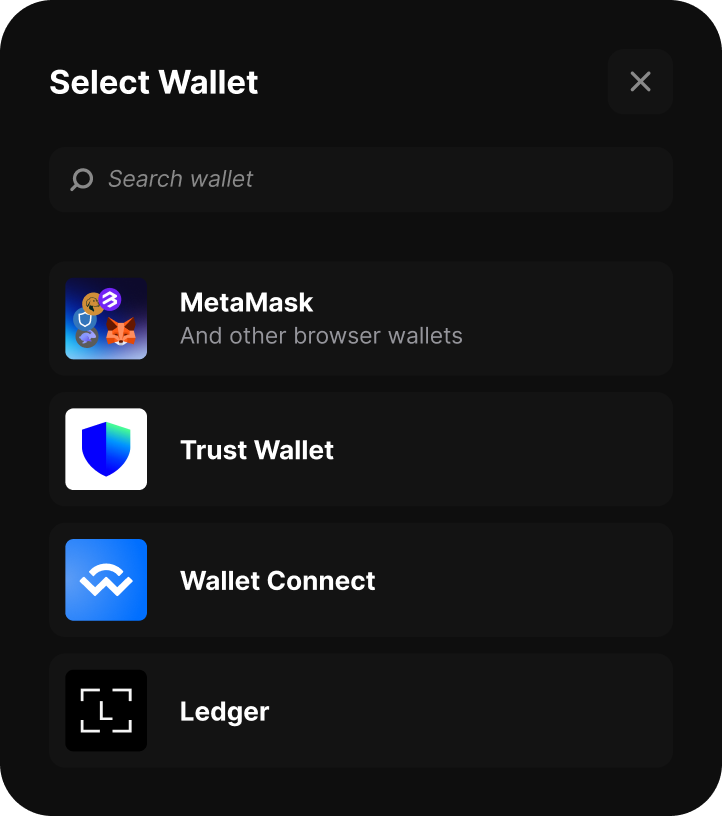
Head over to the ChainPort app and connect your wallet. Popular wallets like Metamask, Ledger, Trezor, Coinbase Wallet, and Wallet Connect are fully supported.
In the dropdown, choose BNB as your source chain and Ethereum as the target chain. Then, select AAVE as the token you wish to bridge.
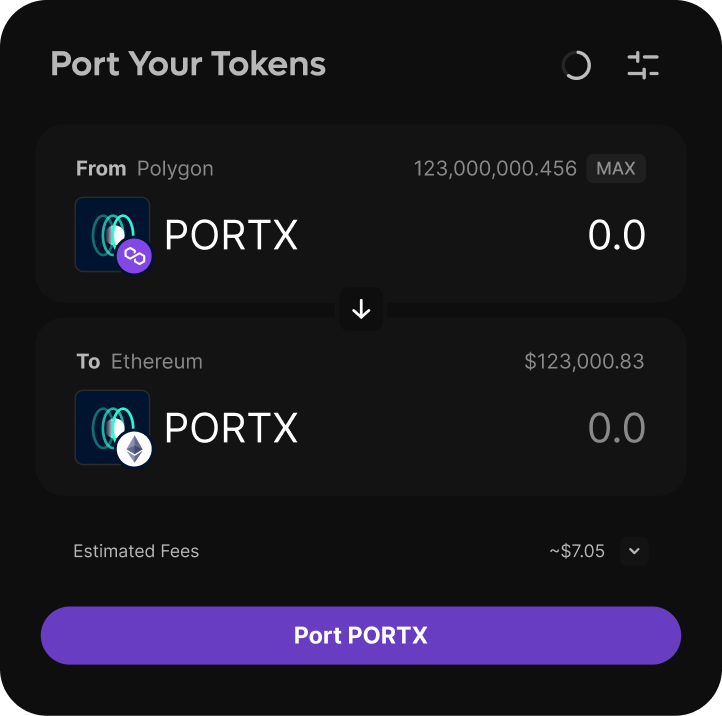
Before confirming, double-check the details such as the source and destination chains, gas fees, and the number of tokens. Once you approve, your tokens will be bridged in just a few minutes.
After confirmation, your AAVE tokens will arrive on Ethereum.
.png)
.avif)
.avif)
.avif)
MORE ON ETHEREUM
Founded by Vitalik Buterin, Ethereum is a decentralized, open-source blockchain platform that enables the creation and deployment of smart contracts and DApps. Perfect for DeFi, NFTs, and dApps, it provides a secure and robust environment for developers and users.
Bridging from ETH to BSC via ChainPort lets users access the BNB ecosystem with improved liquidity and interoperability.
ABOUT BNB
BNB, originally Binance Coin, was created by Changpeng Zhao (CZ) in 2017 via an ICO to fund and launch the Binance exchange. It later powered Binance's own blockchain ecosystem, launching a smart contract chain initially called Binance Smart Chain (BSC) in 2020. In 2022, this was rebranded to BNB Smart Chain under the broader BNB Chain umbrella.
Why ChainPort?
Low Cost & Quick Bridges
Among cross-chain bridges, ChainPort offers fast bridging times, which typically take under one minute, and the lowest fees.
With a bridging fee of just 0.3%, users enjoy cost-effective transfers without hidden charges. Fees can even be paid in either the token being bridged or in gas tokens, giving added flexibility.
Security focused
ChainPort offers battle-tested security with audits and cold-storage vault protection. Roughly 95% of assets in lock and mint bridging are stored in secure cold storage vaults provided by Fireblocks and Gnosis Safe, ensuring maximum protection.
Multiple audits by firms like CertiK and CyberUnit, along with continuous monitoring via CertiK Skynet, provide ongoing assurance of safety.
Easy and User-friendly
Designed for beginners, traders, and DeFi investors, bridging is straightforward. The intuitive interface makes moving tokens across 30+ blockchains easy.
ChainPort combines powerful security features with a smooth user experience, so anyone can bridge with confidence.
FAQ
How long does it take to bridge?
Most transactions are completed within a minute, but processing times may vary based on network congestion
What wallets can I use?
Our protocol works with well-known wallets like MetaMask, Trust Wallet, and wallets that work with WalletConnect
What are the bridging fees?
ChainPort charges a 0.3% fee on the value of assets transferred. This fee can be paid either in gas tokens or in the token being bridged, offering users added flexibility
Which blockchains does ChainPort support?
ChainPort currently supports 30+ blockchains, including major EVM chains as well as non-EVM chains like Cardano, ensuring broad interoperability for projects and users.